OUR VISION
A thriving Africa where every individual has access to education, dignified livelihoods, and a healthy environment—united in resilience and shared prosperity
OUR MISSION
To empower marginalized communities across Africa through sustainable development, education, and economic opportunities, fostering self-reliance, dignity, and social cohesion for all generations.”
OUR VALUES
Ubuntu: We are guided by the philosophy "I am because we are." We believe in interconnectedness, collective responsibility, and the inherent dignity of every person.
Integrity: We act with honesty, transparency, and accountability in all our endeavors, ensuring trust with communities, partners, and donors.
Sustainable Impact: We are committed to creating long-term, sustainable change that empowers communities to become self-reliant, moving beyond aid dependency.
Inclusive Partnership: We work with communities, not for them. We listen, learn, and co-create solutions that respect local knowledge and context.
Compassionate Action: We respond to immediate human needs with empathy and urgency, while diligently working to address the root causes of poverty and inequality.
Innovation & Adaptability: We embrace creative and practical solutions, especially in bridging the digital divide, to meet evolving community challenges.
ABOUT US
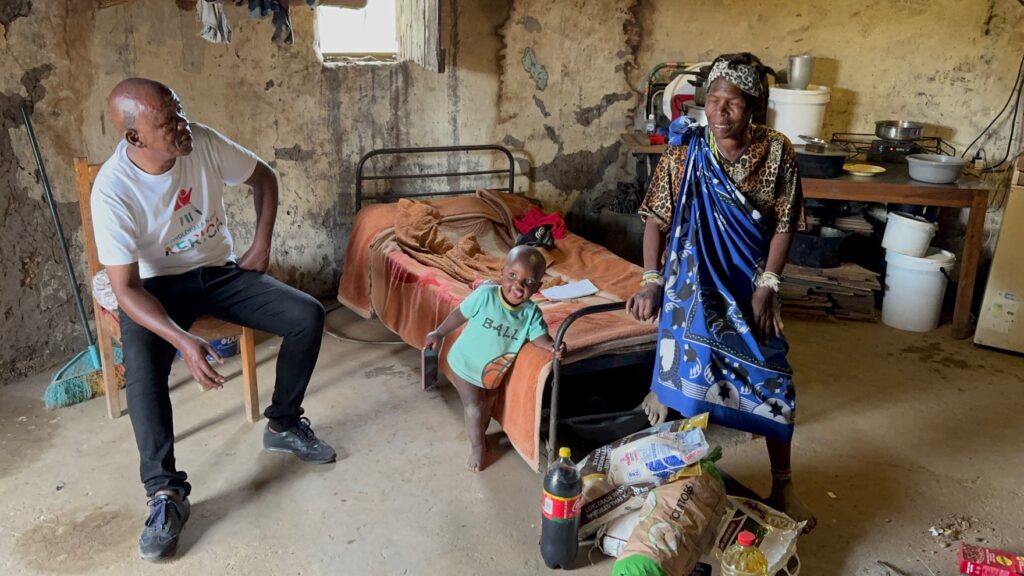
Dlondlobala Njalo Africa NPO is a nonprofit organization dedicated to uplifting underprivileged communities across South Africa and beyond. We believe in a holistic approach to community development that addresses both immediate needs and long-term sustainability. Our work is grounded in the reality of the communities we serve, as demonstrated by our recent involvement in feeding schemes and food parcel programs, where we witnessed firsthand the challenges of hunger, overcrowded living conditions, and economic vulnerability.
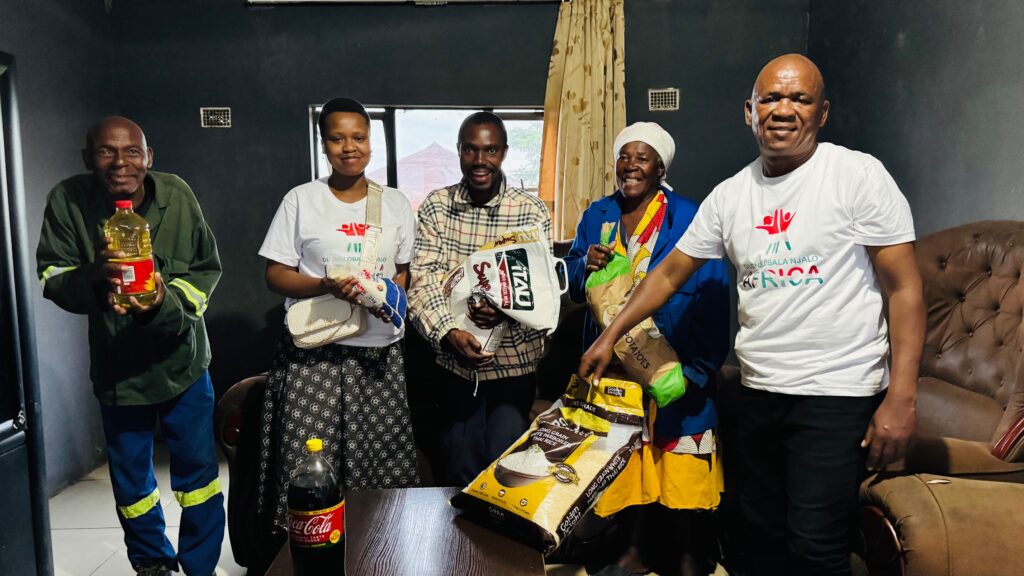
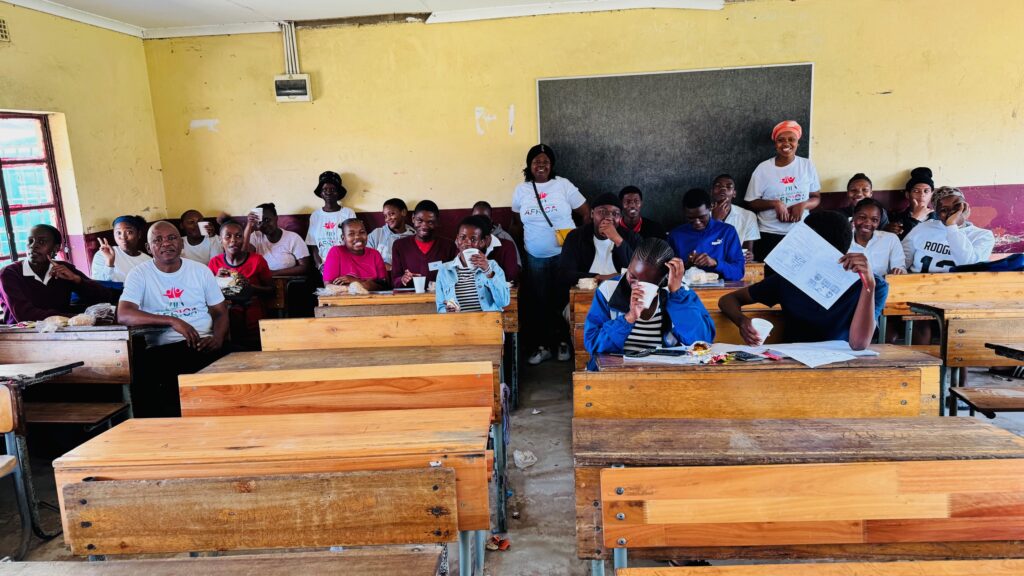
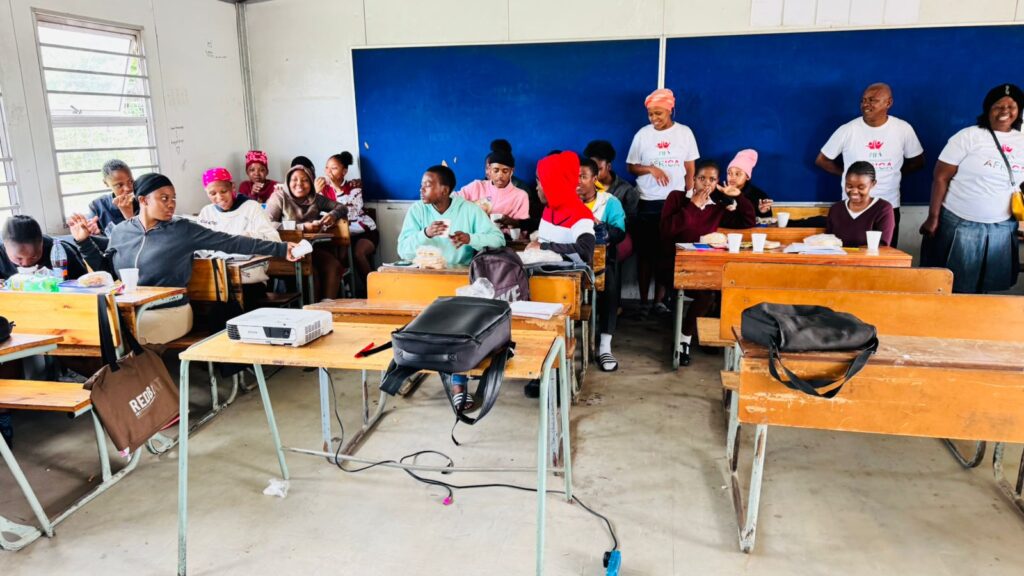
We understand that true empowerment comes from combining urgent humanitarian support with strategic programs that foster independence. From providing snacks for studying Grade 12 learners to distributing essential food parcels in rural needy homes, we engage directly with community members—listening to their stories, like the two families sharing one compound, and learning how to better structure our support. These experiences deepen our commitment to creating solutions that are both compassionate and effective.
Our Volunteer Family: The Heartbeat of Our Mission
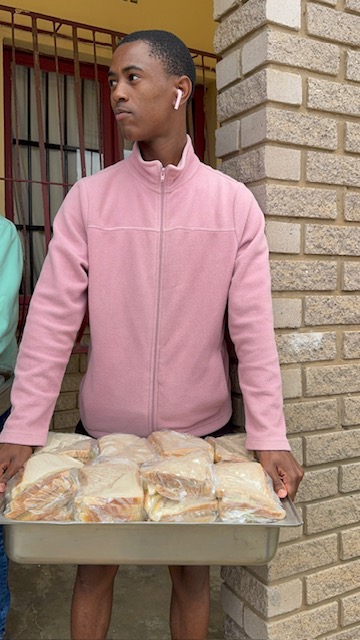
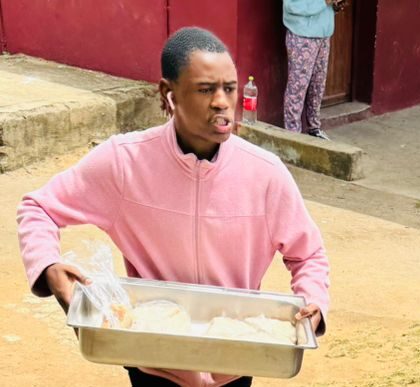
At Dlondlobala Njalo Africa, our volunteers are not just helpers—they are the vital lifeblood that transforms our vision into tangible impact. Every sandwich prepared, every food parcel distributed, every skill shared, and every hour dedicated represents a personal commitment to building a more equitable Africa.
RECENT CAUSES
This cause addresses the acute, daily challenge of food insecurity that paralyzes communities, hinders development, and undermines health and education.
1. The Problem (As Witnessed in Dlengezwa):
Acute Food Insecurity: Families lack reliable access to sufficient, nutritious food to meet basic needs. This is often due to unemployment, reliance on insufficient social grants, and high living costs.
The "Month-End Crisis": Grant money is exhausted quickly, leading to a severe hunger gap for the last weeks of the month.
Compounded Vulnerabilities: Overcrowded living situations (like the two families in one compound) stretch limited resources to a breaking point. Hunger directly impacts health, concentration, and hope.
2. Dlondlobala Njalo Africa's Response & Programs:
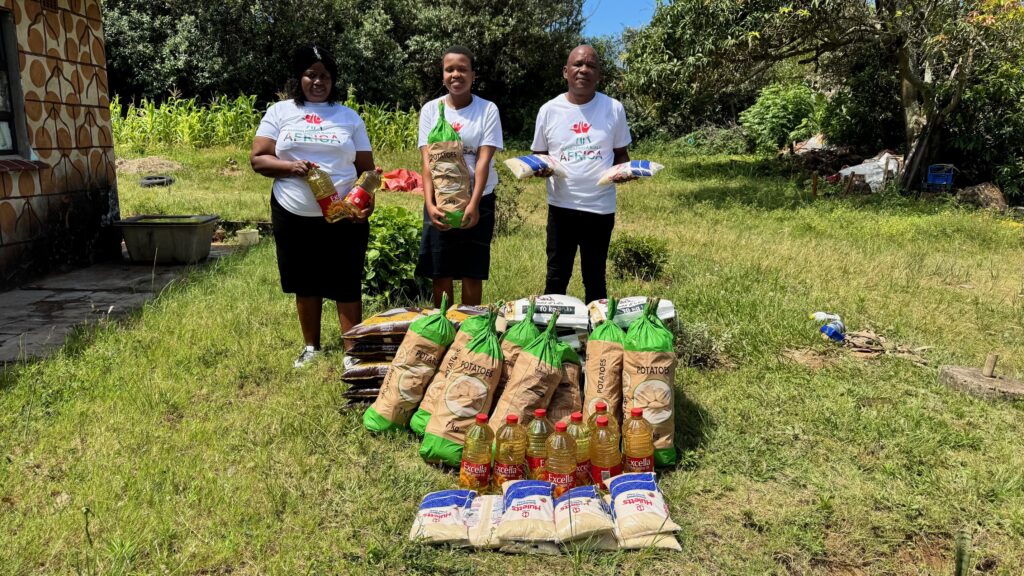
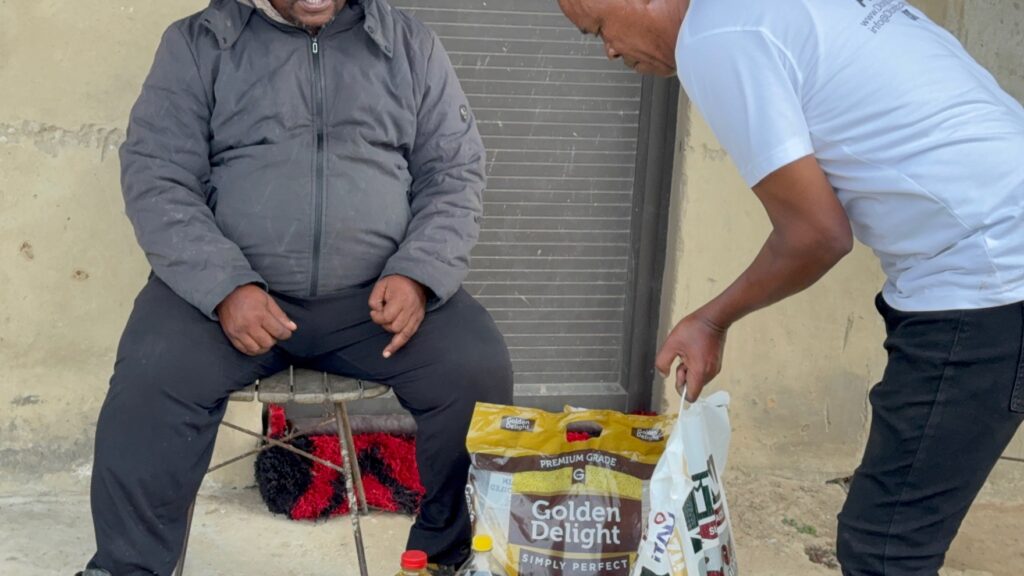
Emergency Food Parcel Program: Provides immediate, short-term relief to the most vulnerable families (child-headed households, the elderly, unemployed parents). Parcels contain nutrient-dense staples like maize meal, rice, beans, lentils, canned proteins, oil, and vegetables.
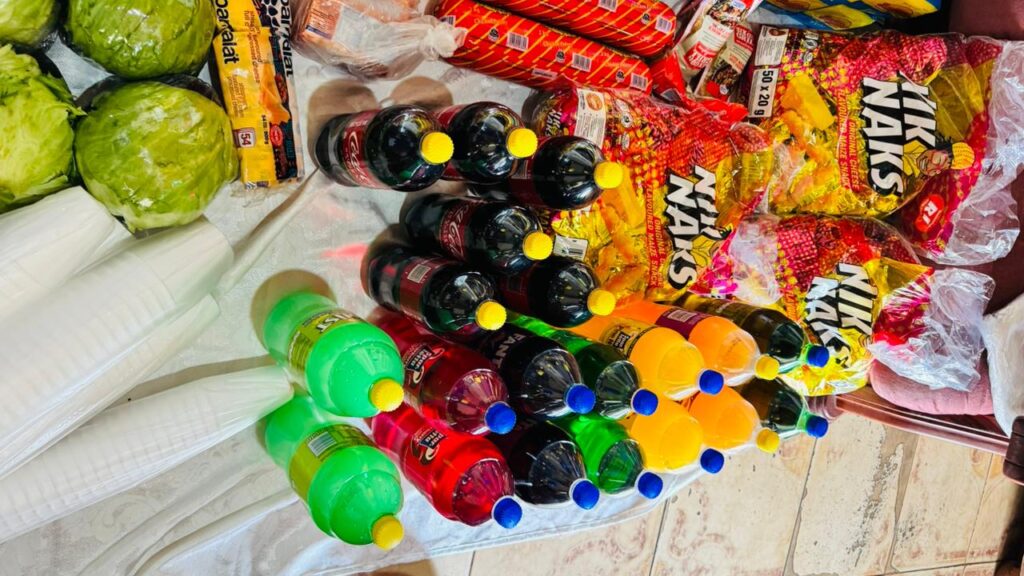
Educational Nutrition Support (Feeding Schemes): Recognizes that a hungry child cannot learn. Provides healthy snacks, sandwiches, or meals to learners, particularly during critical times like exam preparation (as done for Grade 12s). This supports both physical stamina and cognitive function.
Vulnerable Group Feeding: Targets specific groups like the elderly or people with chronic illnesses who are especially at risk from malnutrition.
3. Strategic Link to Broader Mission:
Immediate hunger relief is the essential first step. It builds trust, stabilizes the household, and creates a foundation upon which other development work can be built. A family struggling to find its next meal cannot engage in skills training or digital literacy. Our food support opens the door for deeper intervention.
4. Long-term Vision for this Cause:
To transition from providing food to enabling food security. This involves linking relief to sustainable solutions:
Food Gardens & Agri-Projects: Training and supporting households and community cooperatives to start home/community gardens for self-sufficiency.
Nutritional Workshops: Teaching families how to maximize nutrition on a limited budget.
Pathway to Economic Empowerment: Identifying beneficiaries of food parcels for potential inclusion in skills development programs, breaking the cycle of dependency.
What Peoples Say
We would like to extend our heartfelt gratitude towards Dlondlobala Njalo Africa for Visiting us and choosing us as the first school to support, We also would love to thank Our Traditional Chief: Mr. Makhathini and his Secretary: Mr. Khuzwayo We pray that you contiue to do the same for others as well in future.
Zime Angel Mbambo
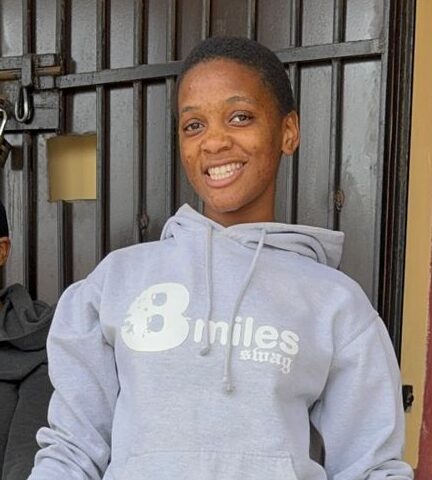
We are grateful to you guys from Dlondlobala Njalo Africa...
Grade 12A Students
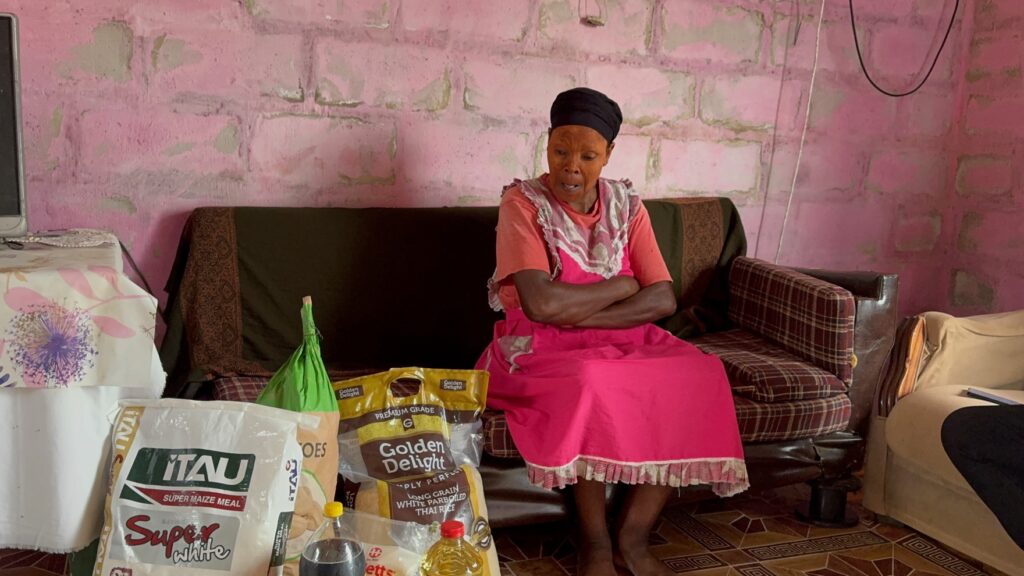
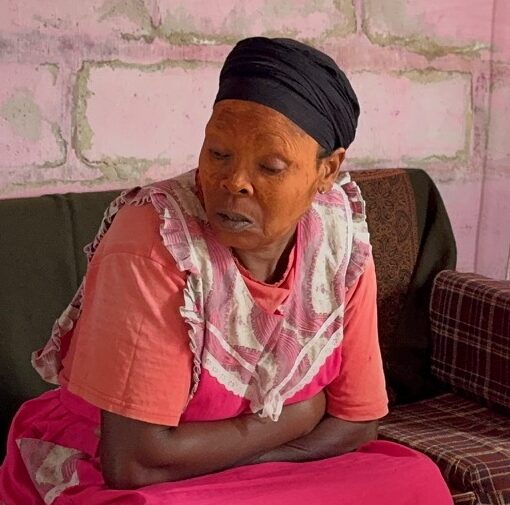
As a SASSA beneficiary, the amount I get cannot cover even the monthly groceries even my daughter has returned home after the challenges in marriage thus brought her own kids too that have added to the load. As a result we now have two kitchens that needs serving. Thank you Dlondlobala Njalo Africa, your groceries my cover us for now till we receive our next grant payments.
Ms Thandi Shozi
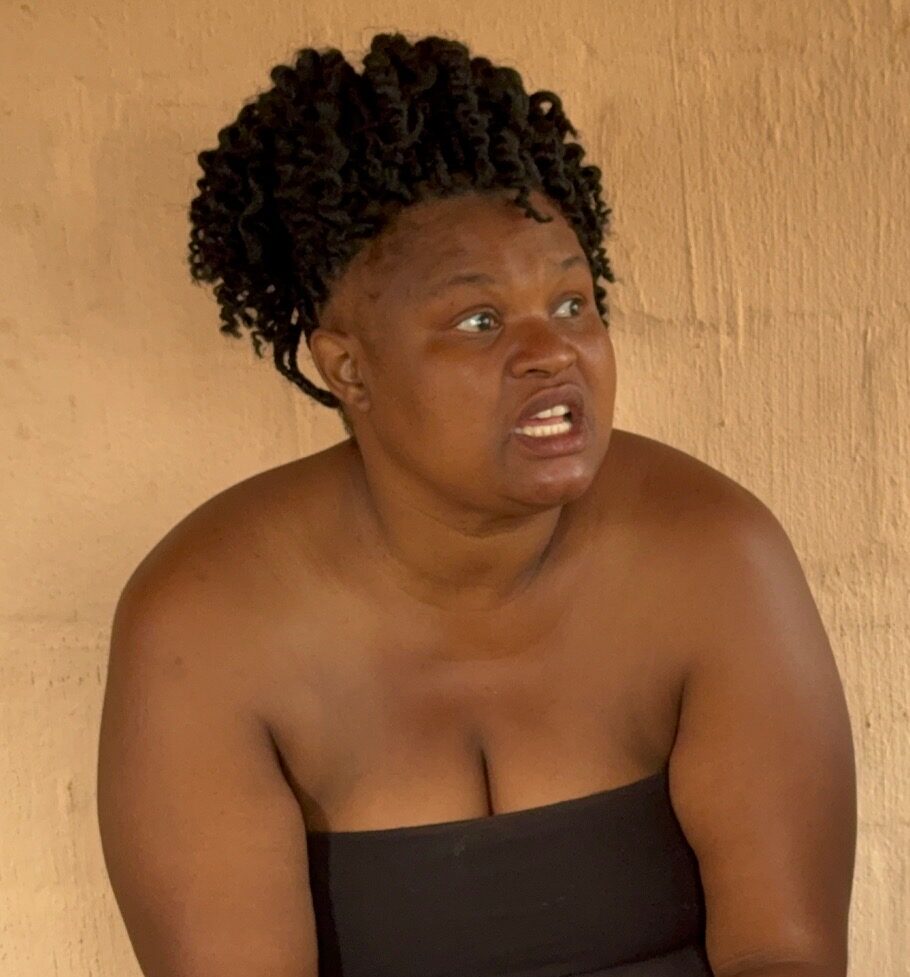
We are grateful to We are 9 adults not counting the children in this one home so the food you are supplying us will cover us as much as for not that long it will try and cover that gap
Ms Sthembile Shozi
RECENT CAUSES
This cause focuses on empowering the younger generation through academic support and holistic development, recognizing them as key agents for breaking the cycle of poverty.
1. The Problem:
Barriers to Learning: Poverty creates multiple barriers—hunger, lack of study resources, inadequate home environments, and psychological stress—which lead to poor concentration, high dropout rates, and underperformance.
The After-School Gap: Many learners, especially in rural areas, lack a safe, conducive environment for studying or access to additional academic help.
Limited Future Pathways: Even those who matriculate often lack guidance, digital skills, or resources to access tertiary education or meaningful employment.
2. Dlondlobala Njalo Africa's Response & Programs:
Targeted Academic Nutrition Programs: The Grade 12 snack initiative is a prime example. It’s a practical intervention that addresses a physical need (hunger) to directly support an academic goal (extended study hours).
Homework Clubs & After-School Support: Creating safe spaces where learners can study, get help with schoolwork, and access books or basic stationery.
Exam Preparation Workshops: Providing extra lessons, past paper practice, and stress management techniques for critical grades (Grade 7, 10, and 12).
Career Guidance & Mentorship: Connecting youth with mentors, providing information on career paths, bursaries, and application processes for tertiary institutions.
3. Strategic Link to Broader Mission:
This cause directly delivers on the primary objective of providing quality education and skills development. It bridges the gap between the school curriculum and the learner's challenging home environment. By supporting academic success, we are investing in future leaders, professionals, and skilled community members who will contribute to economic empowerment.
4. Long-term Vision for this Cause:
To create a continuous pipeline of support from childhood to young adulthood:
Early Childhood Development (ECD) Support: Strengthening foundation-phase learning.
Digital Literacy Integration: Incorporating basic computer skills and online research into after-school programs, directly bridging the digital divide.
Youth Skills Hub: For post-matric youth, offering short courses in digital skills, entrepreneurship, or vocational trades, creating a direct link between education and economic opportunity.